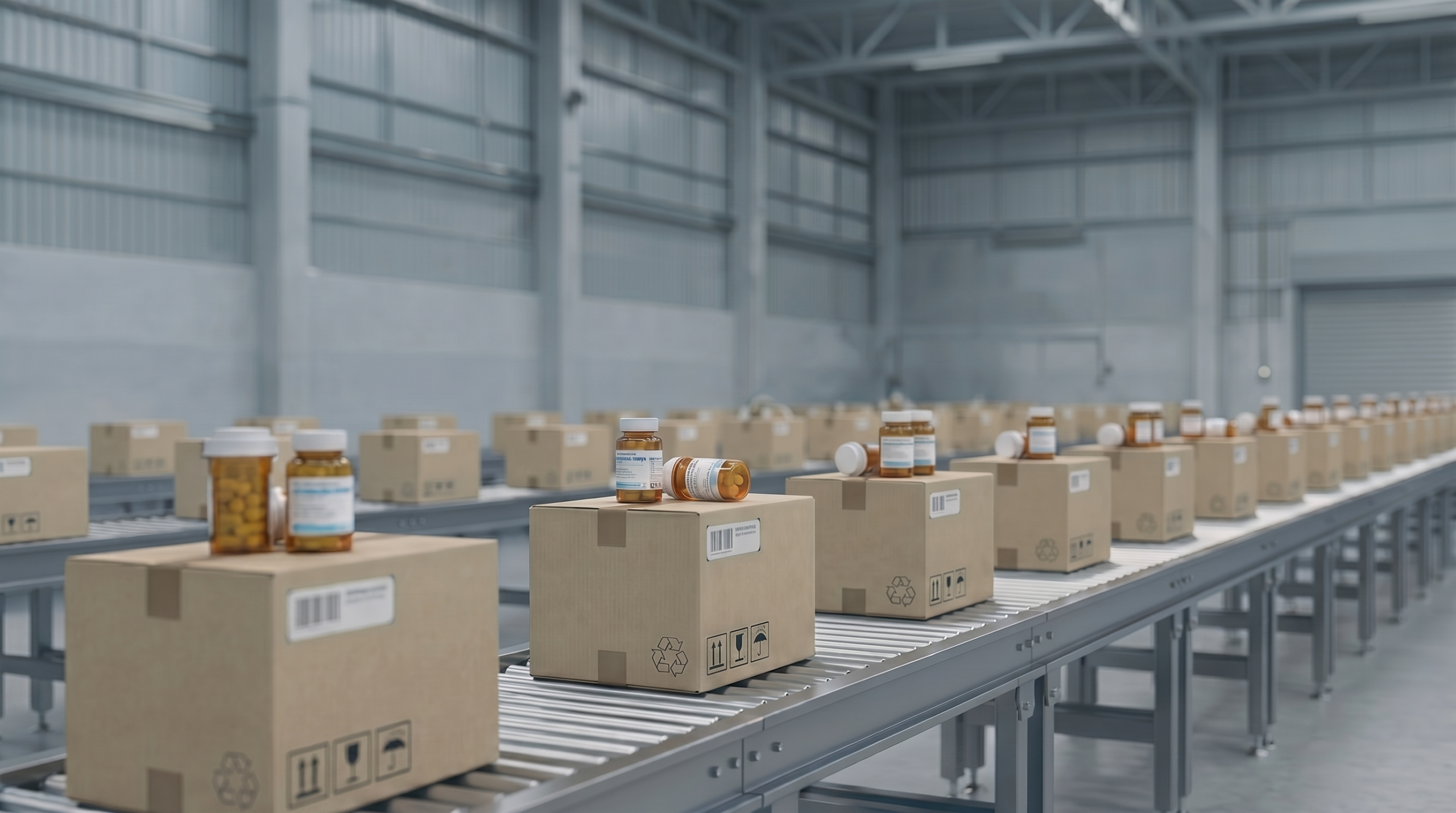
Present in every region of the world, they circulate on informal markets — street markets, itinerant sales, illegal online sales — but can also infiltrate legitimate supply chains and distribution channels, including healthcare facilities, pharmacies and hospitals.
They can be sold at low prices, at the same price as authentic products or sometimes at a higher price to reinforce their appearance of legitimacy and buyer confidence.
A medicine is considered fake when its identity, composition or source are deliberately and misleadingly presented. It may contain an incorrect amount of active ingredient, substances different from those declared or no active ingredient at all.
Fake medicines are a global challenge at the intersection of health, security and economic issues.
Fake medicines can compromise treatment effectiveness, delay medical care and expose patients to serious health risks.
Fake medicines cause financial losses, reputational damage, operational disruptions and additional costs for companies, health systems and states.
Fake medicines fuel a global criminal market involving organised networks, international financial flows and supply-chain infiltration mechanisms.
Fake medicines thrive where vulnerabilities increase: shortages, difficulties accessing treatment, price pressures, grey markets, online purchasing and lack of visibility over supply chains.